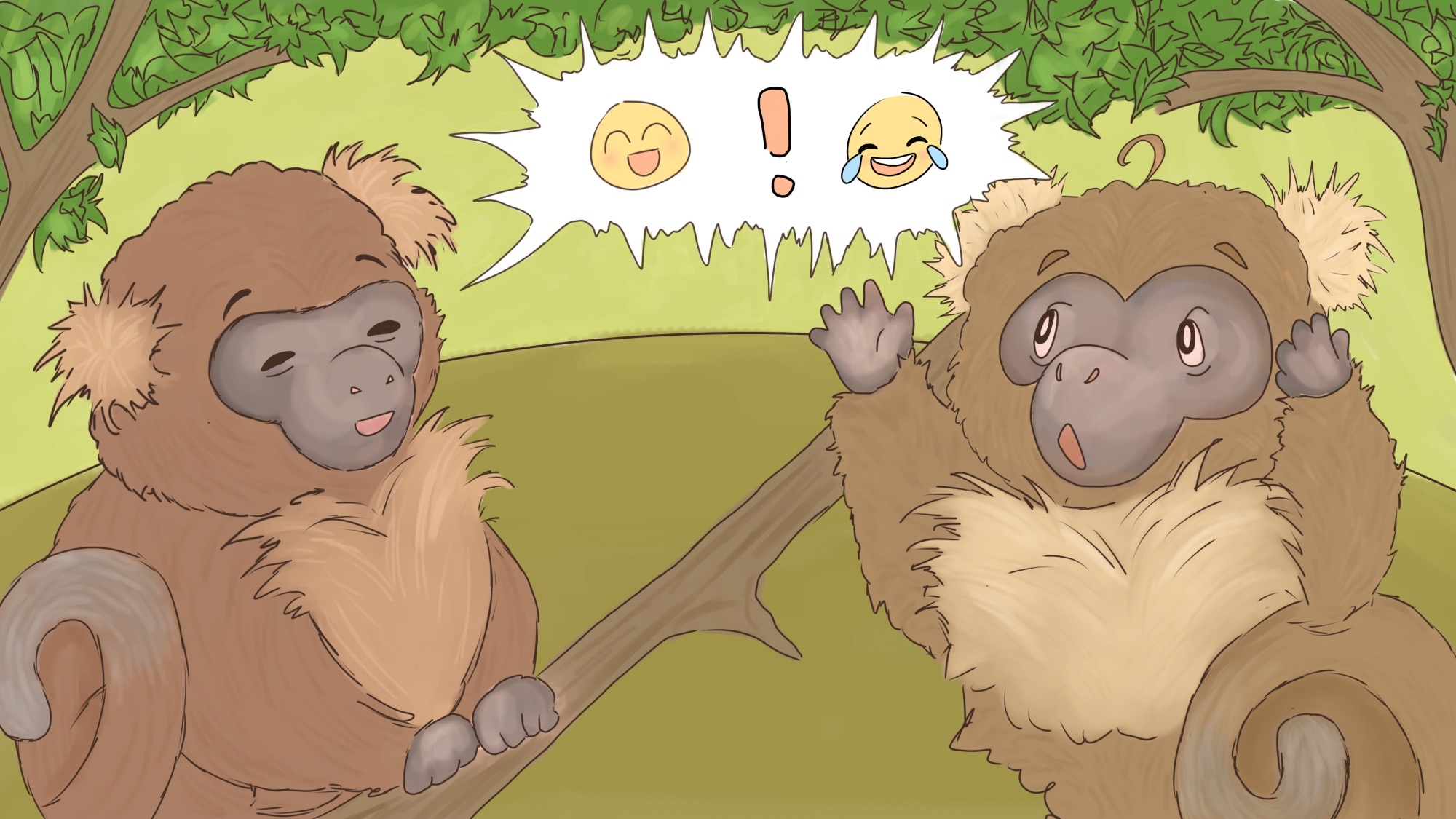
How does being in a relationship help with physical and mental health? Research with animals is helping to answer this question.
Studies about social bonding and monogamous behaviors in animals have traditionally relied on prairie voles. These small rodents form lifelong pair bonds, share parenting responsibilities, and are territorial in protecting their families.
Dr. Karen Bales, director of the National Biomedical Research Institute at the University of California, Davis, says titi monkeys are also excellent models for studying social behaviors. For more than 15 years, she has studied these small, chestnut-brown nonhuman primates that have gray tails and black faces, are found in the Amazon River Basin, and can live into their early 20s.
Like prairie voles, titi monkeys are socially monogamous and raise their children together, according to Bales. The bonding process involves males assessing whether females are receptive to their advances. If so, the match can lead to babies, which the mothers nurse and the males carry on their backs for up to six months.
- Research with animals shows how being in a relationship can help with physical and mental health.
- Titi monkeys and prairie voles are excellent models for studying social behaviors.
- The hormones oxytocin and vasopressin are key to forming and maintaining strong pair bonds.
- Once titi monkeys pair-bond, their togetherness can help buffer against stressors and benefit their overall health.
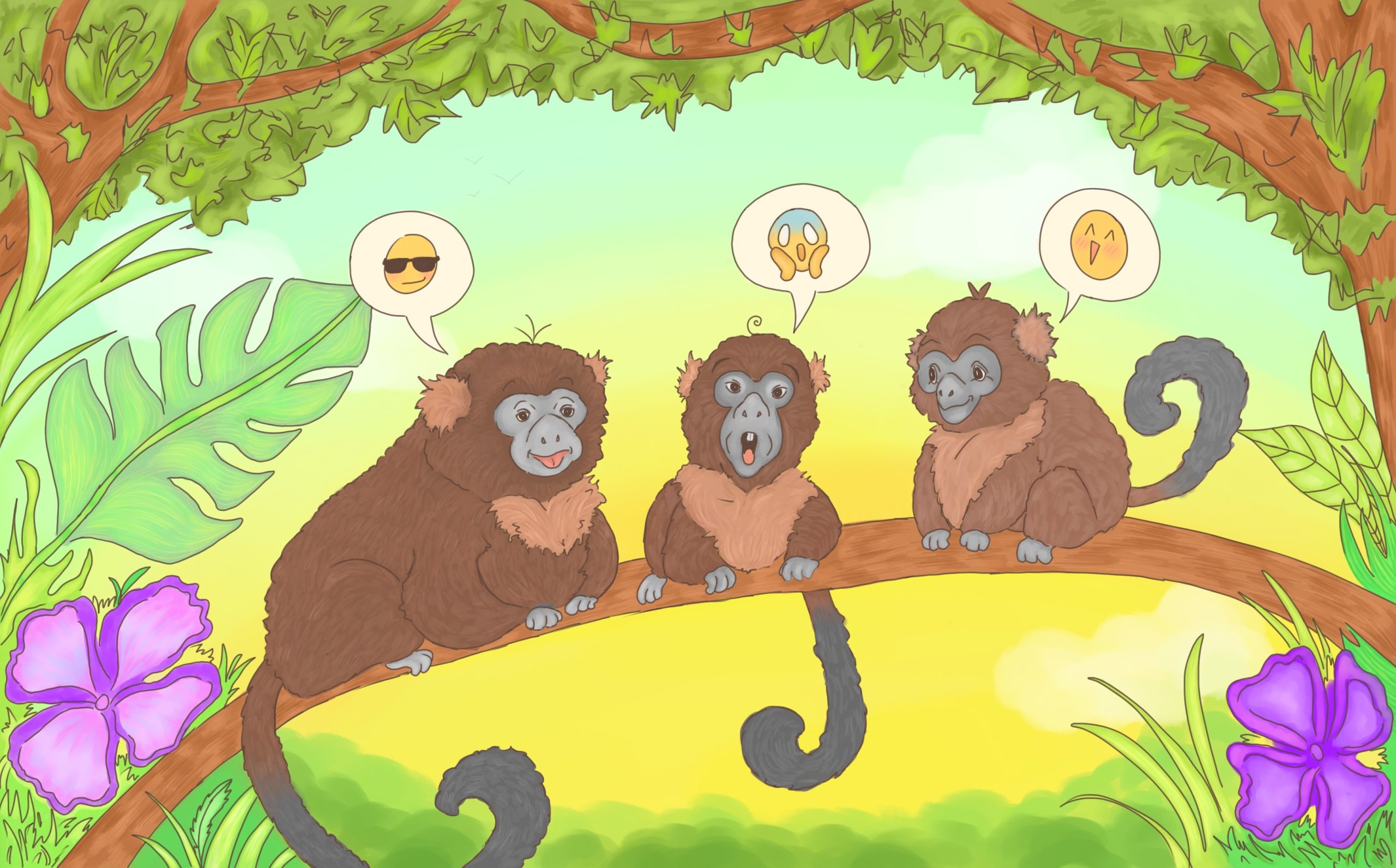
Two key hormones are involved in forming and maintaining strong pair bonds: oxytocin and vasopressin. Oxytocin has become known as the love hormone because of its role in forming pair bonds and regulating stress. Vasopressin is also important for mate guarding and partner preference. The result: These hormones lead prairie voles and titi monkeys to couple, forming lifelong bonds with their partners.
Bales says that once titi monkeys pair-bond, their togetherness can help buffer against stressors and benefit the animals’ overall health, including maintaining cortisol levels within a stable range. When separated from their mates, however, the results can be highly distressing and destructive, leading to increased cortisol levels and prolonged glucose release, according to Bales. She and her research team showed insulin will stay elevated. “This is a model of how social stress can dysregulate your metabolism over time,” she says.
Chronic metabolic dysregulation has immense mental and physical effects on one’s body. These negative effects on titi monkeys are important to note because of the social similarities between them and humans.
Such research evidence as Bales and her team have discovered is important for animal and human health. Their data is foundational for determining ways healthy relationships are beneficial for healthy lives.
Sources
Bales, K. L., et al. (2017). Titi monkeys as a novel non-human primate model for the neurobiology of pair bonding . Yale J Biol Med, 90(3), 373-387. https://pmc.ncbi.nlm.nih.gov/articles/PMC5612182
Bales, Karen L. (2025, July 24). Interviewed by Shanthi Everett.
Baxter, A., including Bales, K. L., et al. (2020). Oxytocin receptor binding in the titi monkey hippocampal formation is associated with parental status and partner affiliation. Sci Rep, 10, Article 17301. https://doi.org/10.1038/s41598-020-74243-1
Bosch, O. J, & Young, L. J. (2018). Oxytocin and social relationships: From attachment to bond disruption. Curr Top Behav Neurosci, 35, 97-117. doi:10.1007/7854_2017_10. https://pubmed.ncbi.nlm.nih.gov/28812266/
Chova, P. E., including Bales, K. L., et al. (2023). Neural and behavioral reactions to partners and strangers in monogamous female titi monkeys (Plecturocebus cupreus). Behav Brain Res, 443, Article 114334. www.sciencedirect.com/science/article/pii/S0166432823000529
Maninger, N., including Bales, K. L., et al. (2017). Pair bond formation leads to a sustained increase in global cerebral glucose metabolism in monogamous male titi monkeys (Callicebus cupreus). Neurosci, 348, 302–312. https://doi.org/10.1016/j.neuroscience.2017.02.028
Smithsonian’s National Zoo and Conservation Biology Institute. (2016, April 25). Titi Monkey. nationalzoo.si.edu/animals/titi-monkey
Witczak, L. R, including Bales, K. L., et al. (2024). Expression of bond-related behaviors affects titi monkey responsiveness to oxytocin and vasopressin treatments. Ann NY Acad Sci, 1534 (1), 118-129. doi:10.1111/nyas.15119. https://pubmed.ncbi.nlm.nih.gov/38442081/
Editorial Team
- Chief Editors: Chloe Eng, Aanya Bulusu
- Associate Editor: Eric Yang
- Team Editor: Olivia Wood
- Graphic Designer: Oriana Reilly
- Social Media Coordinators: Abigail Marquez, Andy Alvarado
- Web Manager: Ananya Datta
Mentor
Lisa Newbern is the Assistant Center Director for Communications at the Emory National Primate Research Center (NPRC). She brings more than 20 years of experience and a strong record of accomplishments to this role. Her responsibilities include providing strategic counsel, developing plans and leading teams in executing communication programs that include executive messaging, issues and risk management, media relations, internal communication, community, educational and collaborative outreach, social media, government relations and more. She also leads the collaborative public relations initiatives for the seven NPRCs, including NPRC.org and @NPRCnews, and serves as a communication resource to colleagues worldwide. Among her service activities, she is a board member for Americans for Medical Progress and chair of the Georgia Council on Developmental Disabilities.
Content Expert
Karen Bales, PhD, is the Director of the California National Primate Research Center and a Professor of Biological Psychology at the University of California, Davis. She studies physiology and neurobiology behind social bonding in monogamous species. She works with prairie voles, titi monkeys, and seahorses.