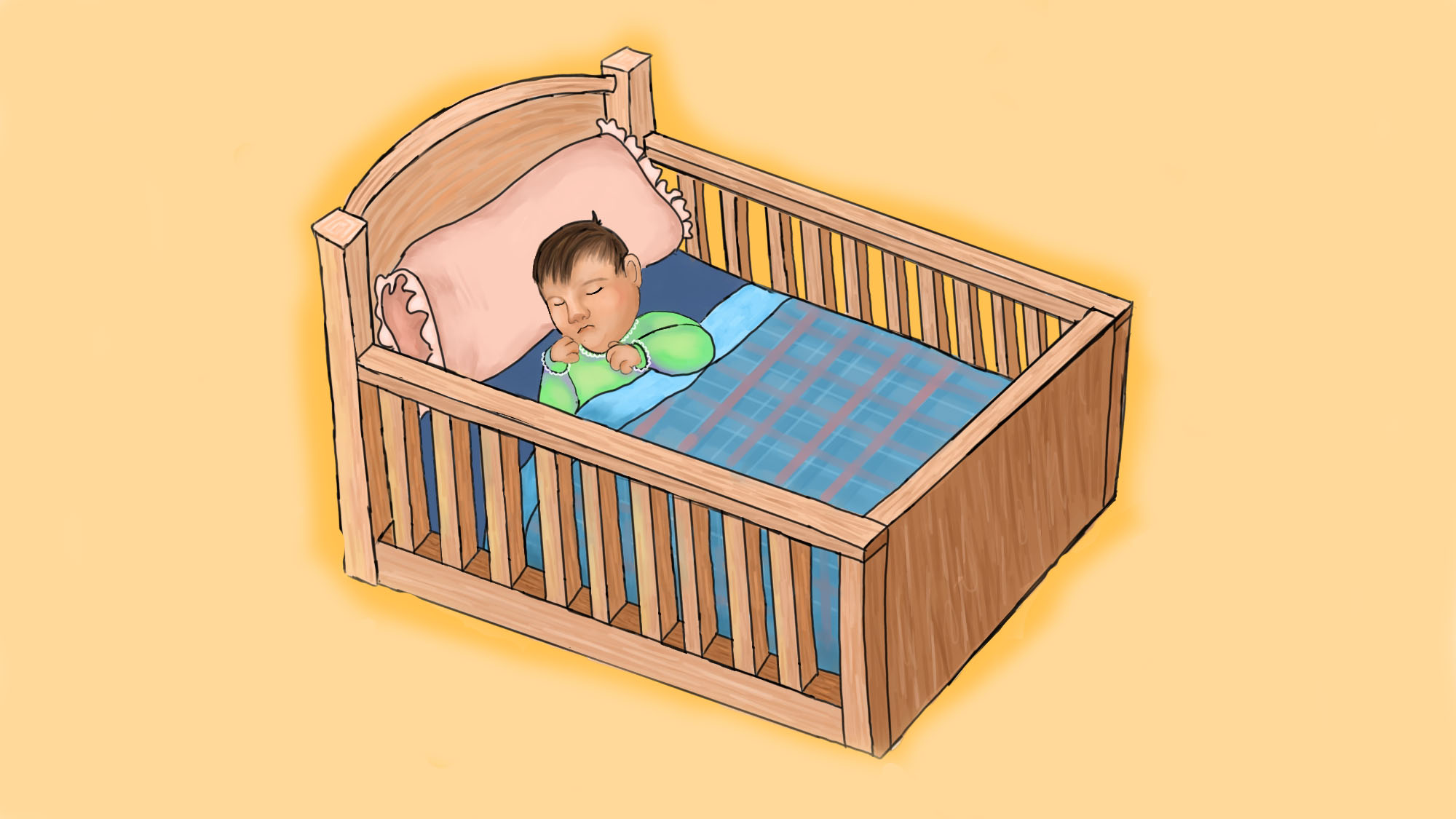

You’ve just welcomed your baby into the world, but instead of joy, you’re consumed by fear. Your child begins to have seizures—frequent, unexplained, and severe. The hospital becomes your second home, and the doctors don’t know why. Years go by before the truth is finally uncovered: Your child has autism, caused by a rare mutation of the SCN2A gene. This mutation not only contributes to autism, but also explains the seizures that haunted your child’s infancy.
Working to discover a genetic and biological relationship to these disorders is Dr. David Kastner, a psychiatrist and scientist at the University of California, San Francisco’s Weill Institute for Neurosciences. His work revolves around studying two specific genes with de novo variants (spontaneous DNA changes that are not inherited) that are highly associated with autism in humans and their relationship with behavioral changes: SCN2A and SYNGAP1. SCN2A codes for a crucial sodium channel in the brain while SYNGAP1 codes for a synaptic protein. Both are instrumental in brain development. It is important to note that association does not equal causation and as such there is still much unknown about how these genes affect symptoms that patients experience.
But this research will have profound impacts on the general public. By evaluating behaviors in rats who have these mutated genes, Kastner and his team may be able to develop treatments that can help diminish these underlying effects.
Let us return to our terrified parents. What if this diagnosis occurred sooner? Instead of countless hospital visits, a targeted therapy could have been provided to prevent potential seizures.
Here lies the problem. Typically, researchers and doctors would look toward biomarkers. Biomarkers are indicators—similar to symptoms—that are used to help doctors diagnose, monitor, and treat conditions, potentially even preventing them. However, there is a difference: Biomarkers are quantitative biological data, measured from things like blood tests or genetic sequencing, while symptoms are the subjective experiences felt by the patient such as headaches. This is why doctors rely on objective measurements such as blood pressure during checkups. Such information is crucial because it can identify diseases or disorders at an early stage, allowing for prevention or suitable treatment. This early detection, however, cannot yet be said for neuropsychiatric disease, especially autism.
“In psychiatry in general, we don’t have biomarkers. This makes it challenging to diagnose in the first place,” Kastner says. “It has been a hope for a long time that we could get some kind of biomarker.” By understanding the relationships between these genes, scientists can take steps to develop biomarkers. “As we get a better understanding of the structure of the brain, we may find a relationship between genetics and behavior,” Kastner adds.
There is hope for the future, however. As a more general understanding of behavioral changes revolving around autism comes to light, more formal testing can occur to show how certain mutations and genes can cause behavior that deviates from the norm.
Furthermore, new technologies are being developed such as CRISPR gene editing. In Kastner’s research, all the rats studied are genetically engineered using CRISPR to mimic those specific human gene mutations. Scientists hope to leverage CRISPR to create gene therapies to reverse the effects of the mutations.
In the end, the story of a child suffering from undiagnosed seizures reflects the challenges in our understanding of neuropsychiatric disorders like autism. But the work of researchers like Kastner represents an important step in the right direction.
As Kastner says, “If you can detect it early, you can potentially prevent the unwanted changes that will follow.”
- Autism and other psychological disorders are difficult to diagnose, making early treatment and detection an ongoing problem.
- Dr. David Kastner, a psychiatrist and researcher at the University of California, San Francisco, studies the SCN2A and SYNGAP1 genes associated with autism.
- Being able to find a genetic biomarker can result in early disease prevention and long-lasting support.
- New technologies like CRISPR gene editing are paving the way for future biomarker discovery.
Sources
Benisek, A. (2025, April 5). Biomarkers: What are they? WebMD. https://webmd.com/a-to-z-guides/biomarkers-overview
Frye, R. E., Vassall, S., Kaur, G., Lewis, C., Karim, M., & Rossignol, D. (2019). Emerging biomarkers in autism spectrum disorder: a systematic review. Ann Transl Med, 7(23), 792. https://doi.org/10.21037/atm.2019.11.53
Kastner, David. (2025, August 17). Interview conducted by Adi Deodhar.
Editorial Team
- Chief Editor: Chloe Eng, Aanya Bulusu
- Associate Editor: Eric Yang
- Team Editor: Ananya Datta
- Graphic Designer: Oriana Reilly
- Social Media Coordinators: Abigail Marquez, Andy Alvarado
- Web Manager: Ananya Datta
Mentor
Michael E. Newman is a seasoned science and medical communicator with 45-plus years of expertise in public affairs, journalism, and broadcast media. He joined the Johns Hopkins Medicine media team as a senior media relations representative in March 2019. In this role, he communicates and promotes the research, clinical advances, service lines, and related initiatives for a diverse group of the institute’s divisions. Michael came to Hopkins after 27 years at the federal government’s National Institute of Standards and Technology (NIST). At NIST, he served from 1991 to 2007 as director of media relations and then for the next 11 years as a senior communications officer. Prior to NIST, he worked as a reporter for the Houston Chronicle, a medical TV writer/producer for the University of Texas Health Science Center at Houston, a features reporter at an NPR affiliate, an ABC-TV news producer, an audiovisual production manager and media officer for a Fortune 500 oil and gas company, and a press officer/science writer for the National Cancer Institute. He also has been a successful, award-winning freelance writer and editor for more than 40 years, primarily on medical and science topics.
Content Expert
David Kastner, MD, PhD, is a researcher and instructor in the Department of Psychiatry and Behavioral Studies at the University of California, San Francisco. His studies and expertise focus on how animals learn and how those learning behaviors change in the context of neurodevelopmental disorders—specifically autism spectrum disorders in rat models.