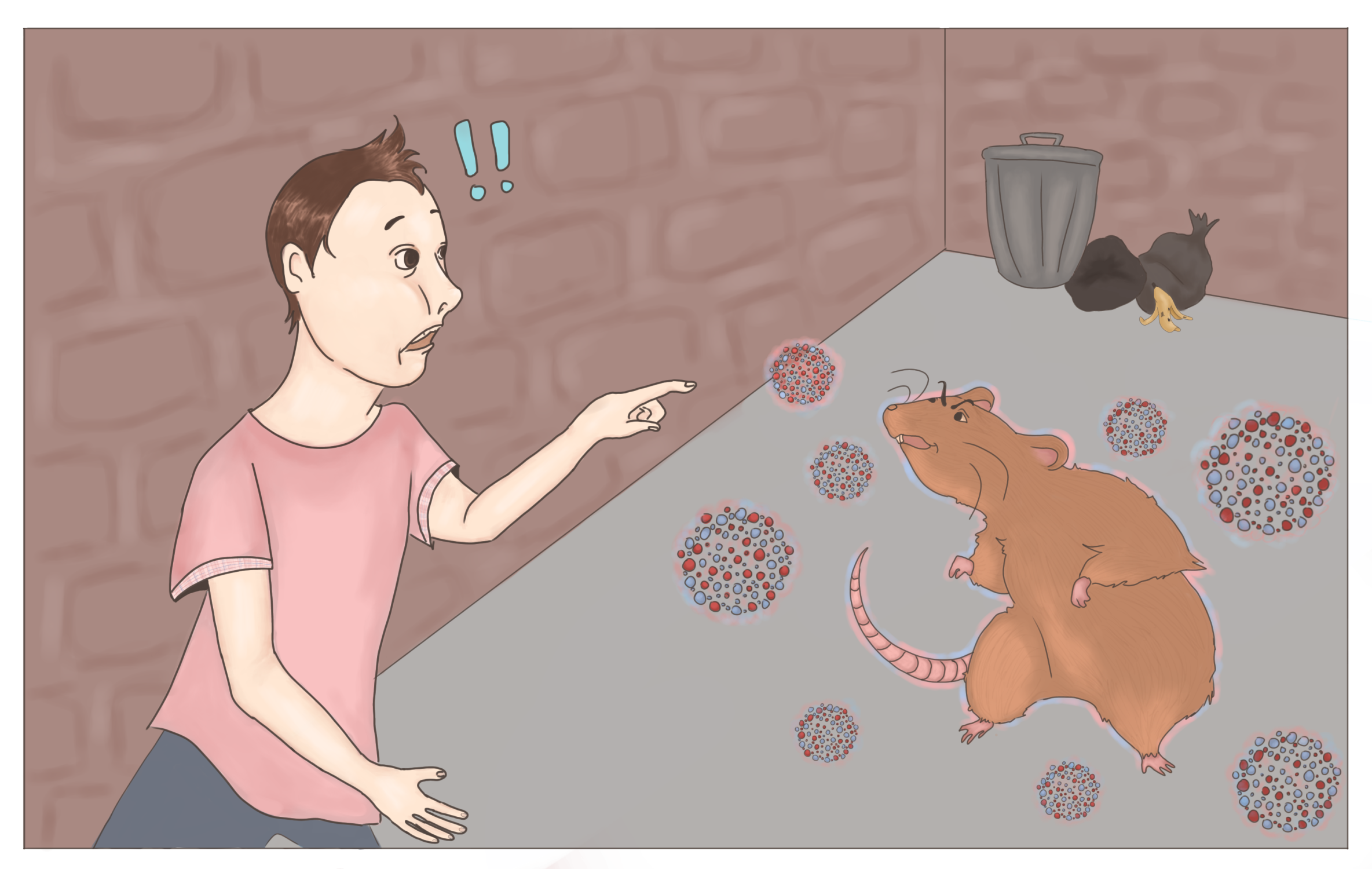

Anyone who has ever been in New York City has likely heard of or seen these infamous creatures. Widely recognized to “run the city,” rats are everywhere in the Big Apple. Whether they’re scurrying on the subway platform or in an apartment, rats carry a reputation for being pests and a nuisance to the general public. But what if these small creatures could be used to help a disease affecting 50 million people in the world?
Hepatitis C virus, or HCV, is a bloodborne virus that inflames the liver. Infection is spread through contact with infected blood—such as through unsafe medical procedures, sharing needles, and more. About 50 million people in the world have HCV, and it can be chronic or acute, meaning that the infection could last forever or for a short amount of time. HCV can lead to cirrhosis, or extreme liver damage, and cancer. As Dr. Charles Rice, a researcher at the Rockefeller University, explained in an interview, “About 70 percent of the people that are infected with hepatitis C cannot control or clear the virus. So they become chronically infected.”
The most widely used animal model for HCV research used to be the chimpanzee. HCV could be transferred from humans to chimpanzees. However, due to ethical concerns as well as the declining chimpanzee population, the model was banned.
At the time chimpanzee research was discontinued (in 2015 in the United States), it was the only animal model for HCV. The virus didn’t grow well in the laboratory and could only infect humans and chimpanzees. This limitation “plagued the field…throughout the years that we began working on hepatitis C,” said Rice.
Thus began the quest to find another animal model for HCV research. Researchers tried to transmit HCV to engineered laboratory mice, but it only worked for a short time if the mice were immunocompromised, meaning they had an impaired immune system.
“It took about 10 years and we actually ended up with transgenic animals that could be infected,” said Rice. “But they needed to be immunocompromised…and the animals didn’t become diseased or chronically infected.”
Therefore, scientists resolved to try to find a virus that acted similarly to HCV in nature. Dr. W. Ian Lipkin, a researcher from Columbia University, used next-generation gene sequencing to identify viruses circulating in animals. He collaborated with Ohio State University researcher Dr. Amit Kapoor, who was also working on HCV, and the two partnered with pest control companies in New York City. They discovered a hepacivirus, a virus that belonged to the same group of viruses as HCV. Kapoor and Lipkin shared their findings with Rice, hoping to come across an HCV-related virus that could be used for research.
Together, they found a rat species that seemed promising: Norway rats, or Rattus norvegicus; they run rampant throughout New York City. The researchers found two types of Norway rat hepacivirus and ran rigorous and thorough testing of the hepacivirus, RHV-rn1, to test its resemblance to HCV. Although RHV-rn1 didn’t cause liver damage in rats, the animals didn’t need to be immunocompromised in order to become infected. Remarkably, this rat virus could also infect common laboratory mice and cause progressive liver damage. The work was promising: RHV-rn1 mirrored the human reaction to HCV. The researchers tested to determine if the main drug to suppress HCV could suppress RHV-rn1 in rodents. It did.
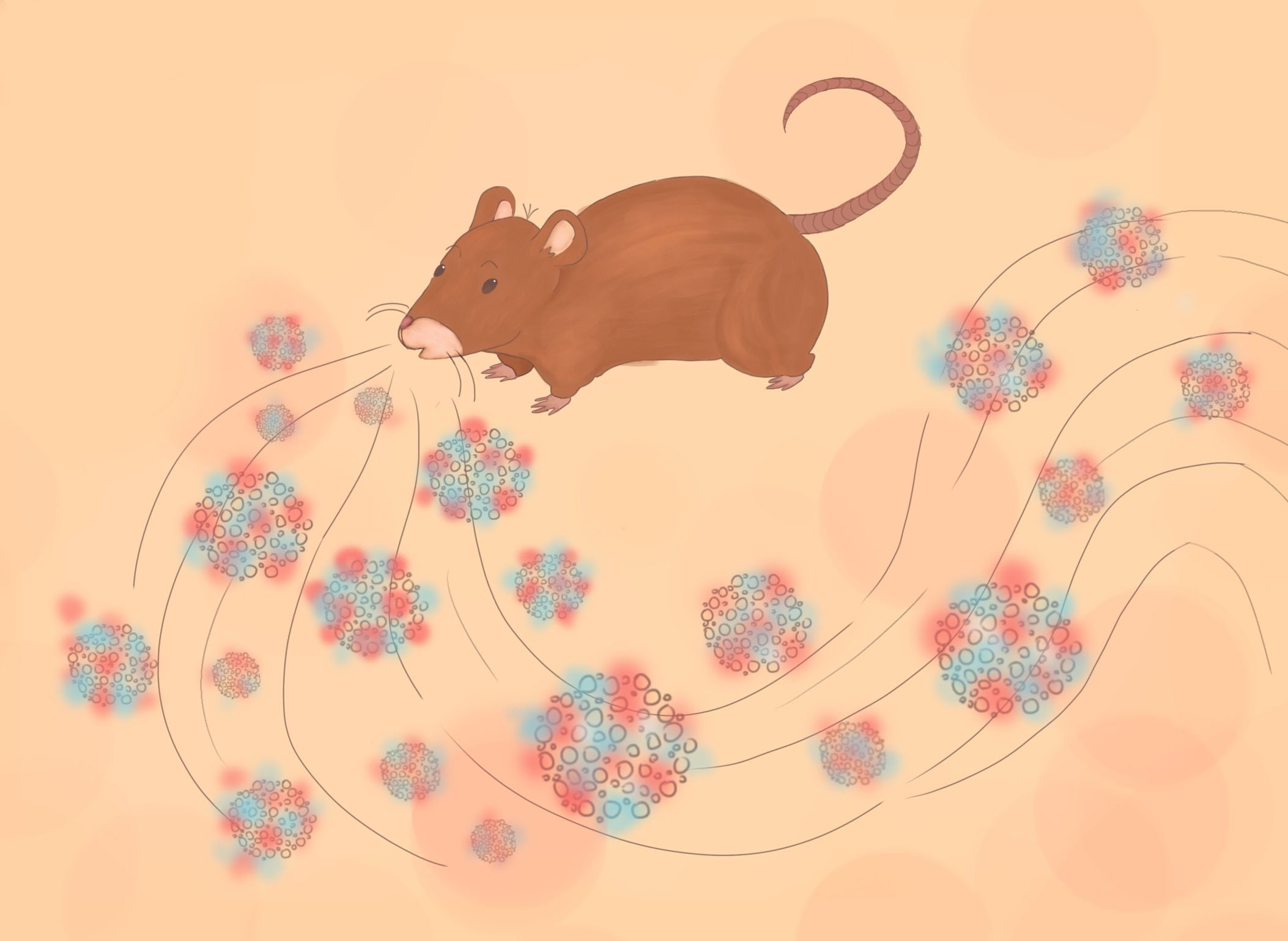
So there it was. The animal model for HCV was hidden right under their noses! This breakthrough by Rice, Lipkin, and Kapoor became a major turning point and paved the way for future research on HCV. The rat model allows scientists to test vaccines and cure infected mice at different points in time, something Rice considers crucial “How long do these animals have to be chronically infected before they’re going to get cancer, even if you get rid of the virus?” he wondered.
As of 2026, a cure for HCV exists, but it’s unknown whether liver damage will be reversed once the virus is gone or if it will persist and progress to liver cancer.
From subway tunnels to scientific laboratories, New York City’s rats have become unlikely allies in the fight against hepatitis C. What was once viewed solely as a pest may now help researchers answer some of the most pressing questions about chronic viral liver infections and liver cancer. Rice noted that it was “kind of ironic” that while scientists were “slaving away in the laboratory trying to develop an animal model,” the solution was “scurrying around Central Park…right under our noses.”
- Hepatitis C (HCV) is a widespread virus that can cause chronic infection, liver damage, and cancer, affecting about 50 million people globally.
- Scientists struggled to study HCV after chimpanzee research was banned and other animal models proved ineffective.
- Researchers discovered a similar virus (RHV-rn1) in New York City Norway rats that mimics HCV and infects rodents without weakening their immune systems.
- This rat model now helps scientists test treatments and better understand long-term effects of hepatitis C, including liver damage and cancer risk.
Sources
Billerbeck, E., et al., including Lipkin, W. I., Kapoor, A., and Rice, C. M. (2017) Mouse models of acute and chronic hepacivirus infection. Science 357 (6347):204-208. PMC5654634. https://pubmed.ncbi.nlm.nih.gov/28706073/
Columbia University Mailman School of Public Health. (2013, April 22). Hepatitis C-like viruses identified in bats and rodents. https://www.publichealth.columbia.edu/news/hepatitis-c-viruses-identified-bats-rodents
Rice, Charles. (2025, July 24). Interview conducted by Chelsea Eng.
Trivedi, S., et al., including Rice, C. M., Lipkin, & Kapoor, A. (2018). Viral persistence, liver disease, and host response in a hepatitis C-like virus rat model. Hepatol, 68(2):435–448. https://doi.org/10.1002/hep.29494
Wolfisberg, R., Holmbeck, K., Nielsen, L., Kapoor, A., Rice, C. M., Bukh, J., & Scheel, T. K. H. (2019). Replicons of a rodent hepatitis C model virus permit selection of highly permissive cells. J Virol, 93(19), 10.1128/jvi.00733-19. https://doi.org/10.1128/JVI.00733-19
Editorial Team
- Chief Editor: Chloe Eng
- Associate Editor: Eric Yang
- Team Editor: Olivia Wood
- Graphic Artist: Oriana Reilly
- Social Media Coordinators: Abigail Marquez, Andy Alvarado
- Web Manager: Ananya Datta
Mentor
- Carol Haggans is a Scientific and Health Communications Consultant supporting the Office of Dietary Supplements (ODS) at the National Institutes of Health. In this role, she handles a variety of health communications activities including writing and updating the ODS dietary supplement fact sheets and e-newsletter. She also leads the ODS public inquiry program, and researches and responds to questions from consumers and health professionals about dietary supplements. Before becoming a consultant, Carol was a Program Analyst with ODS from 1999 to 2004. During that time, she coordinated the development and implementation of the Computer Access to Research on Dietary Supplements (CARDS) database of federally funded research on dietary supplements and was involved with the design and maintenance of the ODS website. Carol is a member of the American Society for Nutrition and the Academy of Nutrition and Dietetics. She received an MS in nutrition from the University of Minnesota where she conducted clinical research on the effects of flaxseed consumption on estrogen metabolism and breast cancer risk in premenopausal and postmenopausal women. She is also a Registered Dietitian. Prior to becoming a nutritionist, Carol worked in the information technology field as a manufacturing and technical service engineer after receiving a BS in mechanical engineering from Rensselaer Polytechnic Institute.
Content Expert
Charles M. Rice, PhD, is a virologist and professor at Rockefeller University, where he studies RNA viruses, with a focus on hepatitis C. His work was critical to identifying the hepatitis C virus as the cause of non-A, non-B hepatitis and to developing systems that enabled antiviral drug discovery. In 2020, he shared the Nobel Prize in Physiology or Medicine for his contributions to the discovery of the hepatitis C virus.