Among your friends, family, or even co-workers in another department, you likely know someone who has experienced depression—a debilitating, life-changing disorder. But what if something as simple as changing your diet could vastly improve your mental health? It all comes down to your gut-brain axis, the connection between your digestive system and your brain.
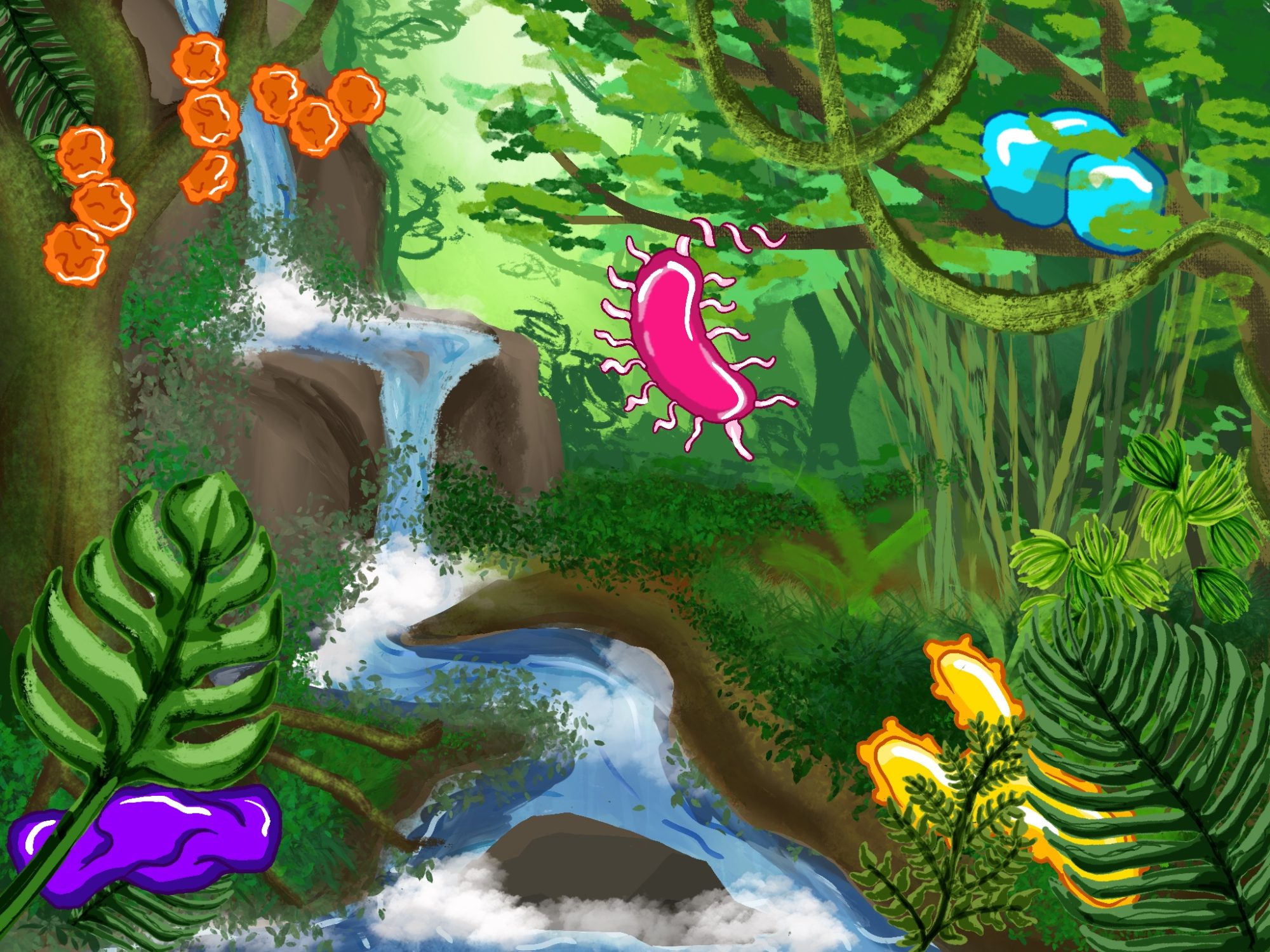
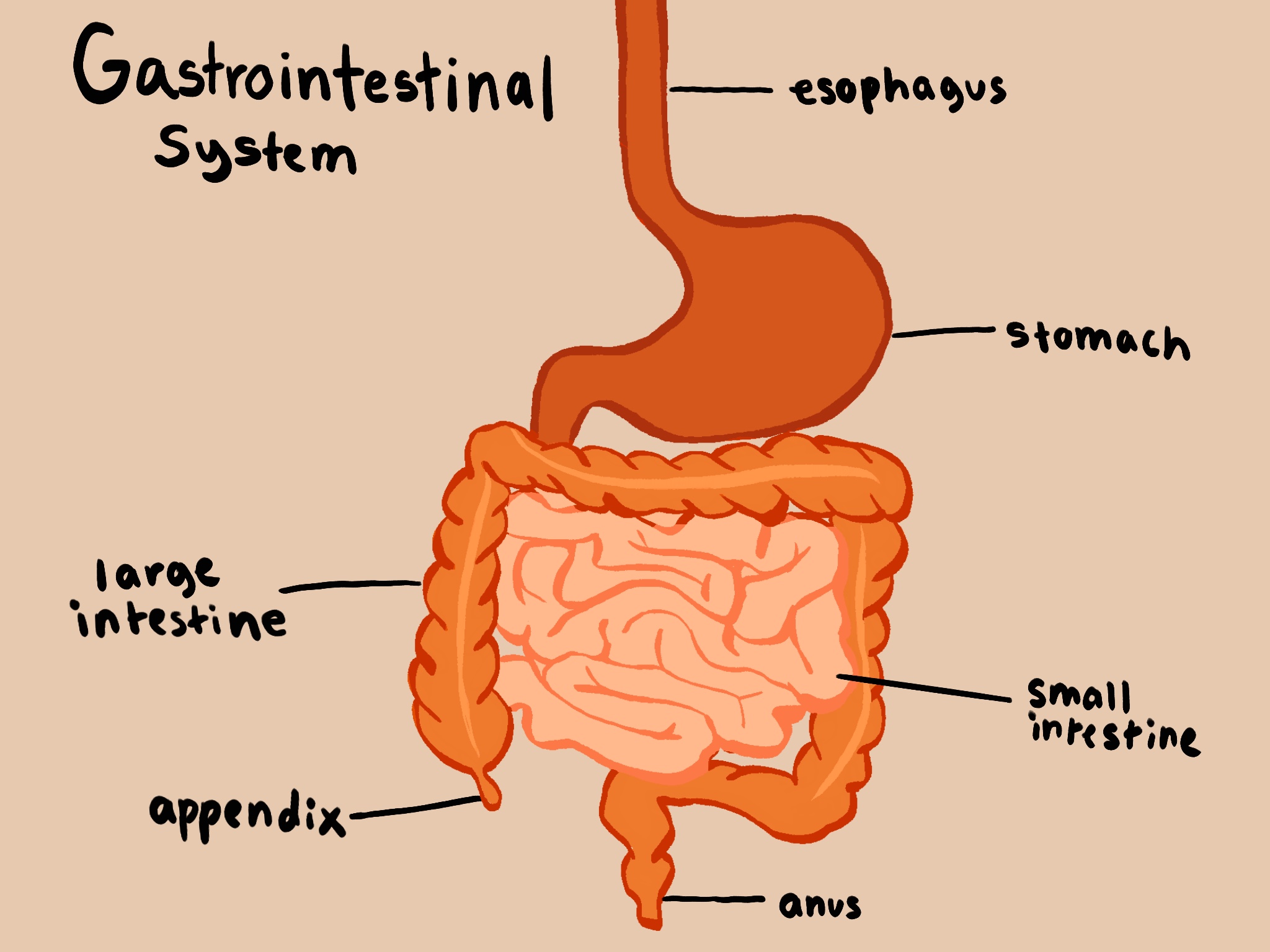
Your gut microbiome, which involves the gastrointestinal system consisting of the mouth, esophagus, stomach, and intestines, is like a rainforest, with each species contributing to the ecosystem’s health. It interacts with four major body systems—digestive, endocrine, immune, and nervous. A breakdown in this interaction leads to “dysbiosis—an imbalance of gut bacteria—which often results in inflammation. This condition is associated with excessive alcohol consumption, exposure to chemicals or pollutants, prolonged antibiotic use, or low microbial diversity, allowing harmful bacteria to thrive in the gut.
- Your gut interacts with your immune, nervous, and endocrine systems to maintain overall health.
- Nutrient deficiencies can impact your mood and mental health.
- Simple lifestyle changes can alleviate mood-related symptoms.
Microbiota in the gut produce enzymes that aid digestion, generating fatty acids that help strengthen the digestive lining and protect the gut from micronutrient deficiencies, often linked to mental health disorders. Nutrition experts writing for an educational platform called OneOp reported in 2024 that vitamin B12 deficiency could cause symptoms such as fatigue, brain fog, and low mood, which could result in cognitive issues that lead to depression.
These fatty acids generated by the microbiota are also key to endocrine functions such as regulating hormone levels, reacting to stress, and metabolizing food, among others. During dysbiosis, the neural networks in the brain that control these endocrine functions are disrupted—potentially causing hormonal and metabolic disorders, researchers reported in 2014 in the journal Molecular Endocrinology. The gut bacteria further influence the gut-brain axis, a network of nerves that enables communication between the two, by stimulating the production of neurotransmitters such as serotonin, which affects mood, behavior, and emotions.
Gut inflammation has also been associated with depression. Studies have found that 20 percent of patients with bowel disease experience sleep disturbances and depression. This happens when the gut barrier (a mucus lining inside the intestines that blocks harmful pathogens and toxins) allows the flow of fatty acids from the digestive system into the bloodstream, triggering an inflammatory response with symptoms like diarrhea, abdominal pain, and rectal bleeding. This happens when the gut barrier (a mucus lining inside the intestines that blocks harmful pathogens and toxins) allows the flow of acid substances from the digestive system into the bloodstream, triggering an inflammatory response with symptoms like diarrhea, abdominal pain, and rectal bleeding.
Charles W. Kaspar, a professor of bacteriology at the University of Wisconsin–Madison who studied gastrointestinal diseases caused by Salmonella and Escherichia coli (E. coli) bacteria, says that fatty acids can modulate the immune system, which can impact mental health.
“If you can modulate the immune system, you can modulate inflammation and all of these interplay together, which could have an impact on human health and human mental health,” he says.
Just as it does in humans, the gut microbiome in mice has been linked to mental health. A 2024 study by He Haili and other researchers at the Guizhou University of Traditional Chinese Medicine explored the connection between gut bacteria and the brain’s response to stress, and found that low microbiome diversity was associated with low stress resilience. The researchers selected rodents with unique microbiome profiles, which were exposed to about three random stressors a day for four weeks. Mice that showed signs of depression were then separated and left to recover for three weeks and would later be subjected to a variety of challenges, including swimming, maze tests, and novel object-rejection tests to test anhedonia (the inability to feel pleasure). In the end, exposure to stressors caused significant changes in the health of the gut microflora, supporting the bidirectional nature of the gut-brain axis: stress affects the microbiome, which then alters stress levels in the brain.
In 2021, the Mayo Clinic noted that preventative methods such as improving your diet, staying hydrated, managing stress levels, and getting enough sleep, are essential for supporting the gut. Consuming fiber-rich foods, such as legumes or whole grains, and fermented foods such as kefir, kimchi, and sourdough, can aid in digestion. Prebiotics and probiotics can also improve gut health, as prebiotics feed already existing beneficial bacteria, and probiotics introduce new beneficial bacteria into the gut microbiome. By doing these things, your gut microbiome can successfully interact with the four body systems to avoid inflammation and maintain mental and physical health.
Although this is a new area of research, there are already therapeutic treatments designed to target microbiome health to alleviate psychiatric symptoms, but evidence suggests that at-home remedies, such as a change in lifestyle or diet, are just as effective.
Sources
Central Florida Surgical Center & Citrus Ambulatory Surgery Center. (n.d.). Poor gut health increases the risk of depression and anxiety. https://centralfloridagicenters.com/
Clarke, G., et al. (2014). Minireview: gut microbiota: The neglected endocrine organ. Mol Endocrinol, 28(8):1221-1238. https://pmc.ncbi.nlm.nih.gov/articles/PMC5414803/
Cleveland Clinic (2023, August 18). What is your gut microbiome? https://my.clevelandclinic.org/health/body/25201-gut-microbiome
Doenya, C., et al., (2025). Gut–brain axis and neuropsychiatric health: Recent advances. Sci Rep, 15, Article 3415. https://www.nature.com/articles/s41598-025-86858-3
Dutchen, S. (2025, January 21). Drawing a line from the gut microbiome to inflammation and depression. Harvard Medical School. https://hms.harvard.edu/news/drawing-line-gut-microbiome-inflammation-depression\
Foster, J., et al. (2021). The relationship between the gut microbiome-immune system-brain axis and major depressive disorder. Front Neurol 12, Article 721126. https://pubmed.ncbi.nlm.nih.gov/34650506/
Guimarães, R. & DeFilippo, K. (2024, December 3). Nutrient deficiencies and the mind: The mental health consequences of malnutrition. OneOp. https://oneop.org/2024/12/03/nutrient-deficiencies-and-the-mind-the-mental-health-consequences-of-malnutrition/
Haili, H., et al., (2024). Gut microbiome promotes mice recovery from stress-induced depression by rescuing hippocampal neurogenesis. Neurobiol Dis, 191:106396. https://pubmed.ncbi.nlm.nih.gov/38176570/
Kaspar, Charles W. (2025, August 14). Interview conducted by Teah Muehllehner.
Limbana, T., et al. (2020). Gut microbiome and depression: How microbes affect the way we think. Cureus, 12(8), Article e9966. https://www.cureus.com/articles/39387-gut-microbiome-and-depression-how-microbes-affect-the-way-we-think#!/
Waletzko, R. (2021, July 12). Building a healthy gut microbiome. Mayo Clinic. https://communityhealth.mayoclinic.org/featured-stories/healthy-gut-microbiome
Editorial Team
- Chief Editor: Chloe Eng
- Associate Editor: Eric Yang
- Team Editor: Ananya Datta
- Graphic Designer: Audrey Hosmer
- Social Media Coordinators: Abigail Marquez, Andy Alvarado
- Web Manager: Ananya Datta
Mentor
- Daniela Benites joined the A. James Clark School of Engineering, University of Maryland, in 2023, where she holds the position of communications coordinator supporting three academic departments with internal-facing and external storytelling products. She has experience translating scientific advancements in biomedical devices, artificial intelligence, chemical and physical phenomena, among others, into accessible knowledge for a general audience. Recently, she graduated from the Science Communication Graduate Certificate program at the University of Maryland, Baltimore. Prior to her current role, she attended Georgetown University to pursue a master’s degree in integrated marketing communications, and obtained a bachelor’s degree in broadcast journalism from the University of Houston.
Content Expert
Charles W. Kaspar, PhD, is a professor in the Department of Bacteriology at the University of Wisconsin–Madison and a member of the Food Research Institute Executive Committee. He researches how bacteria stay alive in difficult environments, like acidic or dry conditions. His work helps explain how these germs survive in animals and food so we can better prevent infections.