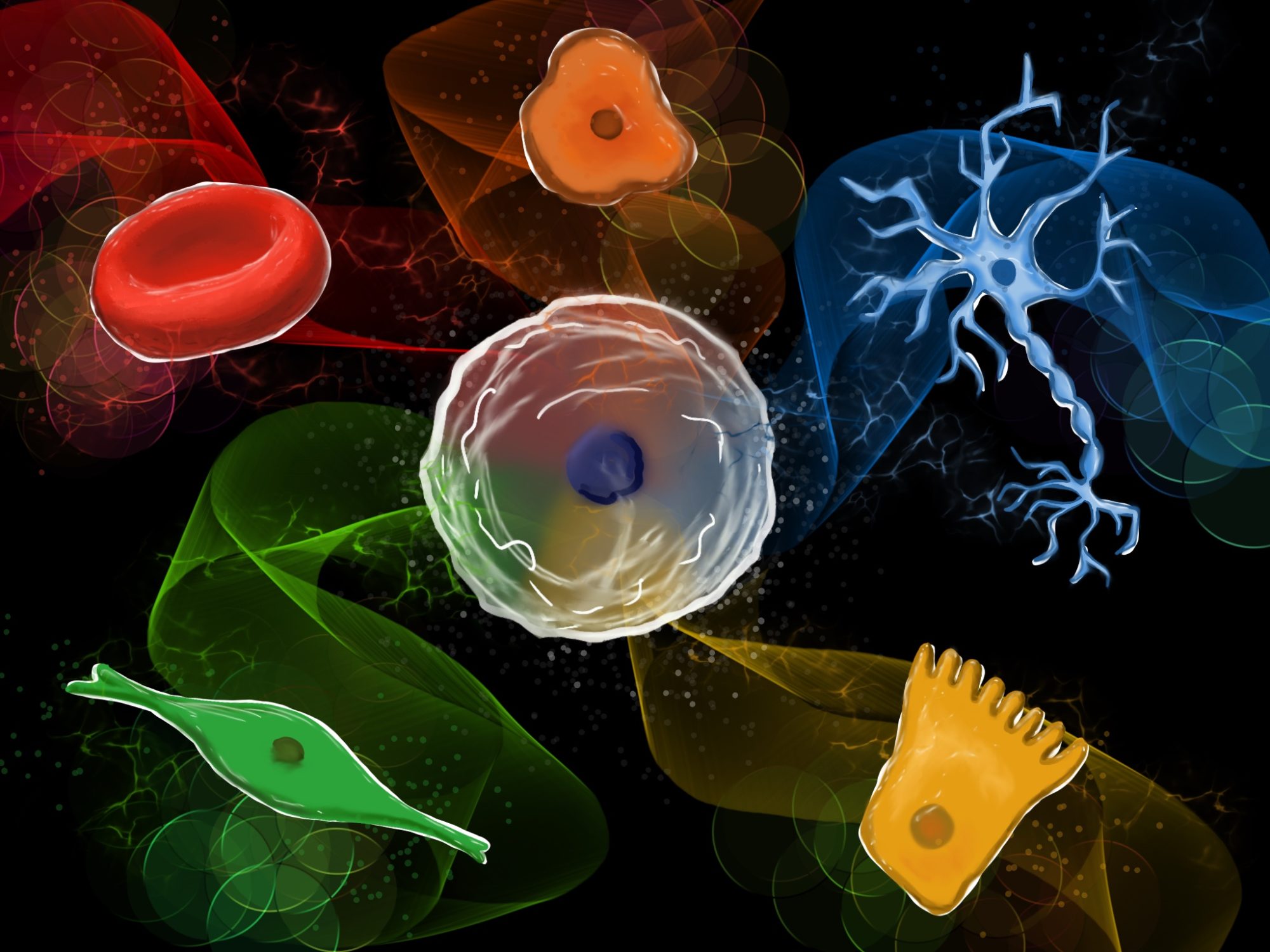

As millions of diseases inflict irreversible damage to vital organs and tissues, researchers find themselves depending on long-term therapies that can restore function. In particular, stem-cell applications are an emerging new area in research that is becoming increasingly important due to the potential of stem cells to differentiate, repair, and replace these damaged areas. From tissue engineering to cartilage regeneration, the potential of stem cells remains boundless as innovations begin to take form and the field of regenerative medicine continues to expand.
“The implication that we could regenerate lost tissue was the sci-fi that previously we could only dream of,” says Rishabh Hirday, a Ph.D. candidate researching stem cells in osteoarthritis at Rutgers New Jersey Medical School. “Unfortunately, reality is more complicated. [Mesenchymal stem cells] were not the panacea that our imaginations would lead us to believe, but are rather tools to be used carefully and precisely.”
But what are regenerative medicine and stem cells, and how are they linked?
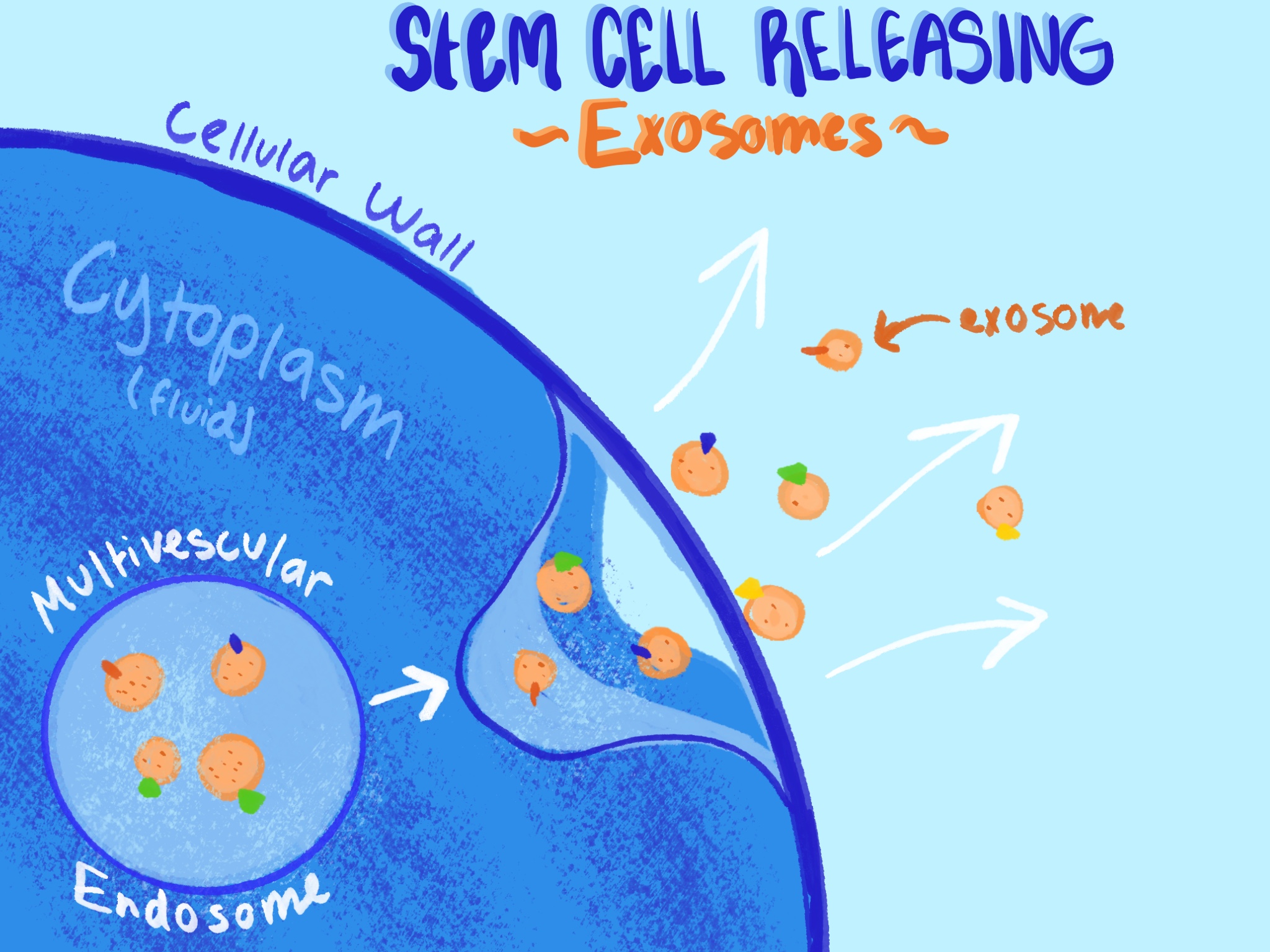
Essentially, regenerative medicine is an interdisciplinary approach that repairs, replaces, or rejuvenates defective tissues and organs by activating endogenous stem cells, using stem-cell-derived cells, or employing tissue-engineered constructs. Stem cells are primitive cells with the potential of differentiation, self-replication, and immunomodulatory functions. They can produce exosomes (otherwise known as vesicles that aid in cell-to-cell communication), which play an important role in tissue regeneration, repair, and accelerated wound healing.
- Stem cells have the potential to repair and replace damaged tissues and organs.
- Different classes of stem cells have different capacities for proliferation and self-renewal.
- Mesenchymal stem cells (MSCs) can suppress inflammatory responses and facilitate wound repair.
- Clinical trials are underway that have demonstrated that MSCs are safe and can treat conditions like osteoarthritis.
Since the 20th century, stem cells and regenerative medicine technologies have revolutionized human life expectancy and human survival. Specifically, embryonic stem cells (ESCs) obtained from blastocysts — a ball of cells that forms early in a pregnancy — have a high capacity for proliferation and self-renewal. In fact, many animal studies have shown that ESCs promote neural regeneration in neurodeficient rat models that have lost their nerve supply. However, these cells have limited applications due to ethical concerns.
Another class of stem cells, adult stem cells (ASCs), include cells already present in tissues and organs that have the ability for further differentiation.
Mesenchymal stem cells (MSCs) are a specific type of ASCs that originate from the early mesoderm — the middle layer of an embryo in early development — and have the ability to develop into multiple different specialized tissue cells. MSCs are prevalently studied in the field of regenerative medicine, as there are a multitude of advantages, including easy isolation, high in vitro expansion, and low immunogenicity. From when MSCs were first observed in bone marrow in 1867 to current medical practices, they have played a crucial role in suppressing inflammatory responses and assisting in wound repair through their immunomodulatory effects.
“The main advantage over traditional medicine is that as living tissue [MSCs] should have the ability to sense the local environment and adapt to change. MSCs can last in tissue as long as, if not longer than, engineered drug-delivery mechanisms,” Hirday says. “Additionally, there is a plentiful supply of MSCs that are taken from the patient themselves, so imagine growing your own medicine!”
Numerous mechanisms of biological and engineering methods can restore the normal tissue characteristics and functions of an organism. Take drug-delivery systems, for example. As advances in nanodrug-delivery technology continued to evolve, stem cells began to make their way into this vast field to enhance targeted delivery and increase the effectiveness of therapies.
But are these seemingly magical therapies always magical?
In particular, skin and bone tissues have a weak repairing ability. While using stem cells for skin and bone repair has a pronounced effect on the quality of patients’ lives, there are several complications that go hand-in-hand with this healing method. Skin regeneration is a complex process; severe trauma and chronic wounds may complicate recovery, causing physiological dysfunction that is prone to further infection. In the case of bones, external damage that is beyond its self-healing range may result in the scarring of bone tissue, increasing healing time. Due to these difficulties, nanoformulation of stem cells has become a hot research topic for eliciting novel ways to repair skin and bone.
From targeted therapies to the structural diversity of exosomes, future research will allow for optimal and efficient techniques for wound healing and disease prevention. In the near future, medical professionals and researchers expect to overcome current challenges and improve the understanding of these complex therapies.
“We still have much to learn about MSCs, as new studies are defining the mechanisms by which they differentiate and choose which tissue to replenish,” Hirday says. “I’m hopeful for the future of MSCs as a therapeutic, as there are already many clinical trials that show that MSCs are safe and can treat conditions like osteoarthritis effectively.”
Sources
Hirday, Rishabh. Interview conducted by Sahasra Maradani. August 28, 2025.
Jin, Y., Li, S., Yu, Q., Chen, T., & Liu, D. (2023). Application of stem cells in regeneration medicine. MedComm, 4:e291. https://doi.org/10.1002/mco2.291
Rajabzadeh, N., Fathi, E., & Farahzadi, R. (2019). Stem cell-based regenerative medicine. Stem Cell Investig, 6(19). https://doi.org/10.21037/sci.2019.06.04
Sadiq, I. Z., Abubakar, F. S., Katsayal, B. S., Ibrahim, B., Adamu, A., Usman, M. A., Aliyu, M., Suleiman, M. A., & Muhammad, A., Sadiq, I. Z. (2025). Stem cells in regenerative medicine: Unlocking therapeutic potential through stem cell therapy, 3D bioprinting, gene editing, and drug discovery. Biomed Eng Adv, 9:100172. https://doi.org/10.1016/j.bea.2025.100172
Wang, J., Deng, G., Wang, S., Li, S., Song, P., Lin, K., Xu, X, & He, Z. (2024). Enhancing regenerative medicine: the crucial role of stem cell therapy. Front Neurosci, 18:1269577. doi: 10.3389/fnins.2024.1269577
Editorial Team
- Chief Editor: Chloe Eng
- Associate Editor: Eric Yang
- Team Editor: Olivia Wood
- Graphic Designer: Audrey Hosmer
- Social Media Coordinators: Abigail Marquez, Andy Alvarado Rodriguez
- Web Manager: Ananya Datta
Mentor
- Peggy Salvatore has been a consultant for 30 years with most of her work in health care focusing on pharmaceuticals. Previously she worked as a full-time daily journalist covering government and politics. She has written several books on working with subject-matter experts.
Content Expert
Rishabh Hirday is a Ph.D. candidate at Rutgers New Jersey Medical School. He is researching the use of stem cells as a possible treatment for osteoarthritis. He is also a research assistant at Rutgers Department of Biomedical Engineering.